
Excavator Bucket Types: A Comprehensive Guide
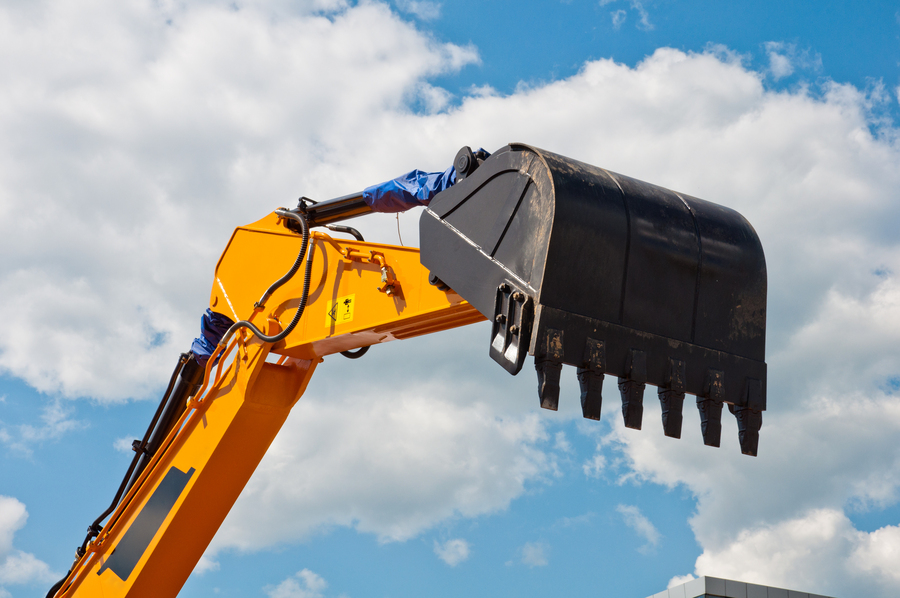
An excavator is one of the most efficient machines on every construction site. However, it can be equally inefficient if you don't operate it with the correct bucket type. Choosing the right excavator bucket and a trusted manufacturer that produces quality tools is crucial for any project's success. Thanks to our comprehensive guide, we'll help you navigate the most popular excavator bucket types and identify the most efficient model for your specific needs.
Table of Contents:
- The Most Sought-After Excavator Bucket Types
- Choosing the Right Excavator Bucket for Your Needs
- Quality Excavator Buckets and Expert Support
The Most Sought-After Excavator Bucket Types
The range of available excavator buckets may seem overwhelming at first. However, every attachment has its ideal application. That's why we've organized these bucket types by their primary functions, ensuring you can quickly identify the one best suited to your project requirements.
Digging Excavator Bucket
Application: Digging and moving material (including hard surfaces). Perfect for general construction and landscaping projects.
The digging bucket represents the most standard and universal type of excavator attachment. While this bucket has various applications, its primary function is excavation work. Breaking up harder material is possible thanks to the bucket's teeth placed at the cutting edge of the tool. These teeth also allow for efficient scraping of material into the bucket. Digging buckets come in a wide range of sizes to best fit any given surface and excavator model. However, it's worth noting that a standard digging bucket isn't always the ideal equipment for all digging applications. Extremely hard surfaces will benefit more from using a rock bucket or frost bucket.
Rock Excavator Bucket
Application: Penetrating and breaking up hard, compact, and solid surfaces such as asphalt, stone, and large rocks.
Breaking through hard surfaces requires a solid and powerful bucket with exceptional durability. The rock bucket serves as a heavy-duty version of our standard digging bucket. Its reinforced design features thicker wear plates, ensuring it can withstand significant pressure and impact. The wear plates, combined with sharp, aggressive teeth, guarantee success in harsh conditions, penetrating even the most stubborn rock formations and compacted materials.
Utility Excavator Bucket
Application: Digging near utility lines, pipes, and cables, where avoiding the risk of striking them is crucial.
Construction work near utility lines and underground installations requires special consideration for safety. Manufacturers have designed the utility bucket specifically for these challenging scenarios. This specialized bucket protects utility workers by deflecting cables and pipes away from the digging tool. The bucket features a double-reinforced rounded edge, ensuring excavators don't catch or damage underground systems during operation.
V Bucket
Application: Creating and cleaning V-shaped trenches in preparation for laying piping and utility cables.
The V bucket (also known as a trenching bucket) has been specifically engineered to create narrow V-shaped trenches where piping and utility cables will be installed. These trenches can also serve as drainage channels in the landscape. V buckets are available in models with teeth for more solid surfaces or smooth-edged versions for softer ground conditions. Most importantly, they require powerful excavators to dig V-shaped trenches successfully, making them ideal for use with larger machines.
Skeleton Excavator Bucket
Application: Construction projects where separating dirt and soil from larger aggregate is crucial.
A skeleton bucket resembles a standard digging bucket in many ways. The key difference lies in the construction of the back panel, which features a grid or slotted surface instead of solid steel. This design allows operators to dig larger material while simultaneously sieving finer material through the slots, ensuring valuable soil can be reused in other aspects of construction projects.
Grading/Ditch Cleaning Excavator Bucket
Application: Leveling, profiling, and smoothing ground made of softer materials such as fine dirt and sand.
While most excavator buckets perform digging functions, the grading bucket serves a different purpose entirely. Instead of digging, it levels and smooths surfaces with precision. Thanks to its wide but shallow design, this bucket excels at finish work. Grading buckets distribute fine dirt and sand effectively through dragging movements across the work surface. These buckets are often called finishing buckets because they're typically used at the end of projects as the final touch in leveling and clearing work areas.
Frost Excavator Bucket
Application: Breaking up surfaces that are extremely compact and hard, particularly in cold climates.
Frost buckets share similarities with rock buckets but are designed for the most challenging ground conditions. These specialized buckets feature extra teeth on the backside that enable ripping through frozen ground and extremely compacted surfaces. The robust construction makes frost buckets perfect tools for work in mountainous environments and cold climates, ensuring they can rip through practically any material.
Rake Riddle Excavator Bucket
Application: Digging roots out of the ground while sieving fine aggregate for reuse.
Rake riddle buckets function similarly to skeleton buckets, featuring slats that allow finer material to fall through. However, these buckets use their specialized teeth to loosen and dig up tree roots, grass, and shrubs effectively. The remaining loose soil can be collected and reused in further project stages, making this bucket type both efficient and environmentally conscious.
Clean-up Excavator Bucket
Application: A finishing bucket used for cleaning up job sites and removing loose material.
Clean-up buckets earn their "finishing bucket" designation due to their primary use at project completion. However, clean-up buckets offer larger carrying capacity compared to standard finishing buckets. While you cannot use clean-up buckets for digging, their substantial carrying capacity makes them perfect for removing large amounts of loose material. These versatile buckets can also grade and level surfaces effectively.
Micro Trenching Bucket
Application: Creating precise trenches for laying pipes, cables, or irrigation systems.
Micro trenching buckets serve as compact equivalents to V buckets, creating narrow trenches for underground infrastructure installation. However, micro trenching buckets create smaller, more precise trenches, which saves considerable time in construction projects. This time savings applies to both the digging process and subsequent backfilling operations. Originally developed exclusively for fiber-optic cable installation, these buckets are sometimes called fiber-optic buckets.
Choosing the Right Excavator Bucket for Your Needs
After reviewing the most popular excavator bucket types according to their applications, consider these additional factors when selecting the best bucket type for your specific circumstances.
Site Conditions
Consider the work area size and whether it's an open or confined space. This assessment helps determine the appropriate excavator size and, consequently, the ideal bucket dimensions for efficient operation.
Weather and Climate
Even moderately hard ground conditions can change dramatically due to climate factors. Frozen ground requires extra force to break through effectively. Such demanding conditions can only be handled by working with powerful excavators equipped with heavy-duty buckets designed for extreme conditions.
Ground Conditions
Ground compactness remains the most critical factor operators must consider when choosing an appropriate excavator bucket. Harder materials may require specialized rock buckets or frost buckets for effective penetration. Standard digging buckets prove sufficient for softer, finer materials, while harder substrates demand heavy-duty options like rock or frost buckets to complete jobs successfully.
Hazardous Surroundings
Excavation near irrigation systems, utility cables, or other underground installations requires careful bucket selection. Utility buckets provide the safest option when working around any type of underground infrastructure, ensuring both worker safety and system protection.
Quality Excavator Buckets and Expert Support
With numerous excavator bucket types available, selecting the appropriate model can seem challenging. Thanks to our extensive experience and product range, you've found the right resource for making informed decisions. At skidsteers.com, we stock a comprehensive selection of excavator buckets manufactured by leading American companies, ensuring quality and reliability in every product.
Our team specializes in matching customers with the ideal bucket type for their specific excavator models and project requirements. Whether you're operating CAT, John Deere, Kubota, or Takeuchi machines, we have reinforced tools available in multiple widths to perfectly suit your equipment. Each bucket in our range undergoes rigorous quality control, ensuring you receive a product that delivers exceptional performance and longevity.
For quick answers to your excavator bucket questions or to add the perfect attachment to your cart, our knowledgeable customer service team stands ready to help. Visit skidsteers.com today to explore our complete range of excavator buckets and discover why contractors nationwide trust our products for their most demanding projects.